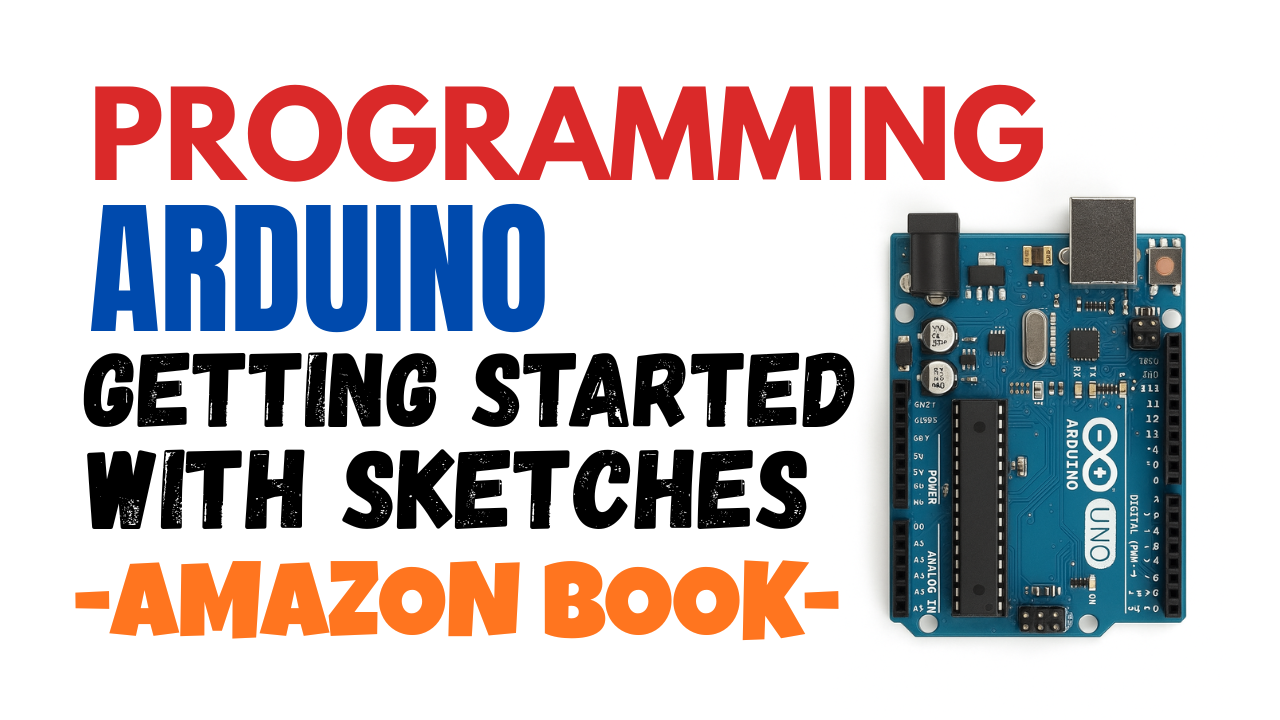
Programming Arduino: Getting Started with Sketches, Second Edition is an excellent entry point for anyone eager to understand how to program microcontrollers using Arduino. Whether you are a complete beginner or someone with limited coding experience, this book provides a clear, structured, and enjoyable path into the world of embedded programming. What makes this edition truly stand out is its balance between theory, practice, and hands-on examples, turning what could be an intimidating journey into an accessible learning experience.
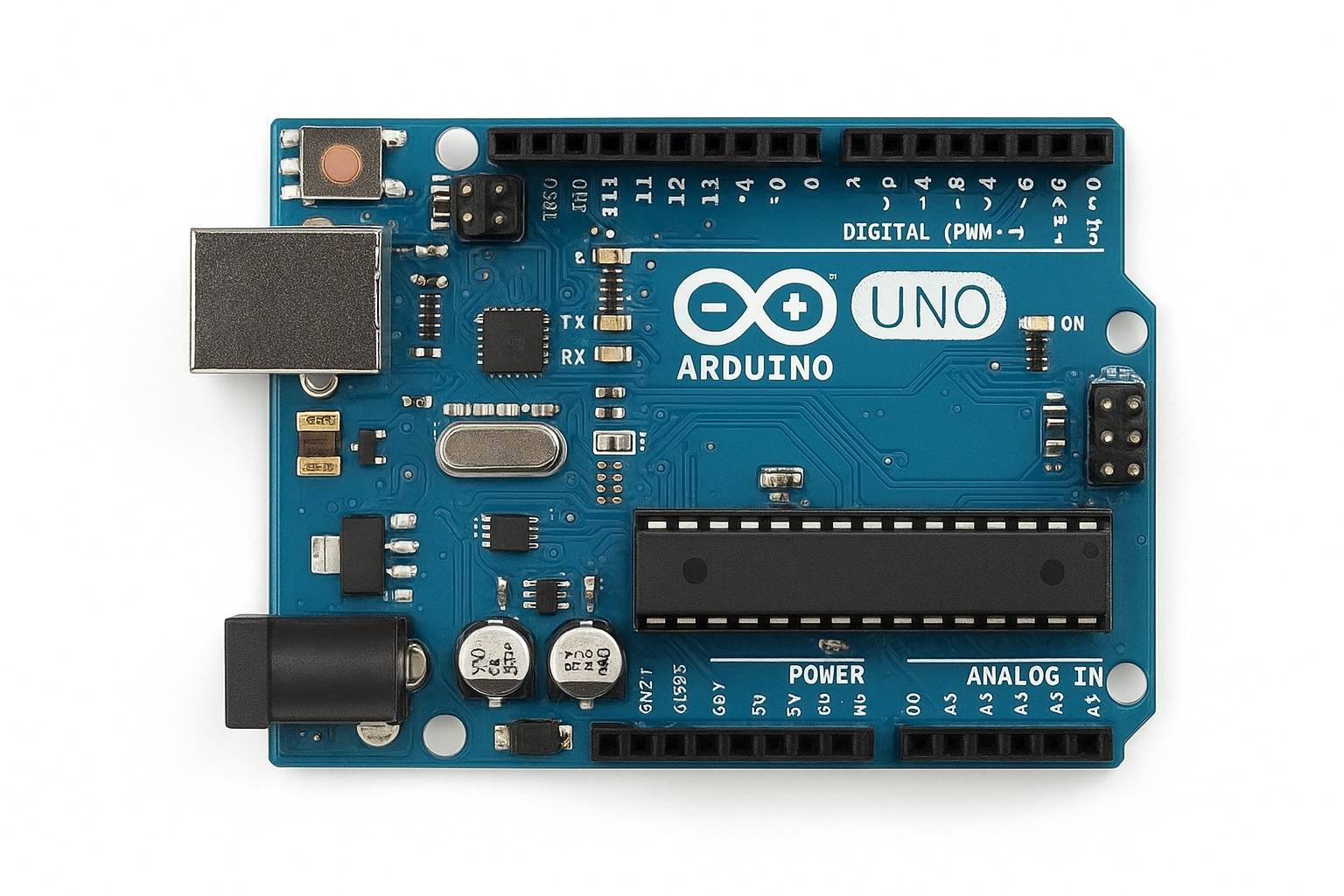
The book begins by introducing the Arduino ecosystem in a friendly and engaging tone. Instead of overwhelming the reader with jargon or advanced concepts, it gradually explains what an Arduino board is, how it works, and why it has become such a popular tool for hobbyists, students, and engineers. This smooth introduction makes the reader feel at home right away, which is essential when learning something as technical as programming hardware.
One of the most impressive qualities of this book is its step-by-step teaching style. The author breaks down the foundations of Arduino sketches—the code that controls the board—into digestible pieces. Concepts like variables, loops, functions, and libraries are explained with clarity and supported by practical examples. Each new topic builds on what came before, ensuring that readers are never left confused or unsure of how the pieces fit together. Beginners who have never written a line of code will find themselves surprisingly confident after just a few chapters.
The projects included throughout the book are another major strength. They are not random or overly simple; instead, they reinforce the lessons introduced in the chapters. Readers get to experiment with LEDs, sensors, motors, and other hardware components, giving them a real sense of how software controls physical devices. The feeling of seeing an LED blink or a motor spin because of your own code is motivating and rewarding. This hands-on reinforcement transforms abstract programming ideas into tangible results.
Another advantage of this second edition is the updated content. The world of Arduino evolves quickly, and this version reflects modern best practices, new board capabilities, and improved programming approaches. Readers benefit from current methods rather than outdated instructions that might cause confusion or compatibility issues. This makes the book especially valuable for long-term use, even after completing the initial learning journey.
The author also does an impressive job connecting foundational skills to more advanced concepts. After gaining confidence in basic sketches, readers are introduced to libraries, communication protocols, and more sophisticated programming techniques. These topics prepare learners for larger and more ambitious projects and show them how Arduino can be applied in real-world electronics, automation, and Internet of Things projects. This progression makes the book suitable not just for beginners, but also for intermediate learners who want to deepen their understanding of Arduino’s potential.
In addition to its strong educational content, the book’s tone is approachable and encouraging. It never assumes the reader is already an expert. Instead, it guides, reassures, and motivates. This makes learning feel enjoyable rather than stressful, which is important for maintaining curiosity and momentum.
Overall, Programming Arduino: Getting Started with Sketches, Second Edition is a superb resource that deserves a place on any maker’s shelf. It combines clear explanations, practical exercises, updated information, and a learner-friendly structure into one cohesive package. Readers walk away not only knowing how to program Arduino boards, but also understanding why their code works and how to build upon it. For anyone interested in electronics, STEM education, robotics, or embedded systems, this book offers a dependable and exciting starting point.